Applying for a Union Public Service Commission examination involves more than entering personal details. Depending on the examination and the current application system, candidates may need to complete identity-related steps and provide photographs, signatures or supporting documents. The exact process can differ between examinations and recruitment cycles.
Applicants should avoid relying on old screenshots or generic upload specifications. The official UPSC notification and current application portal are the correct sources for the requirements of a particular examination. This guide explains how to approach the upload process and prepare files carefully.
Start with the official examination notice
Open the notification for the specific UPSC examination you are applying for. Read the online application instructions and note the documents or images required at each stage. Check whether the process uses a live photograph, an uploaded photograph, a signature image or other supporting records.
Do not assume that the requirements for one UPSC examination automatically apply to another. The application system may change, and the instructions can be updated. Use the notice for the current examination and year.
Understand the application stages
Some application processes separate registration, profile creation and the final examination form. You may be asked to enter basic details first and provide additional information later. Read the instructions for each stage so that you do not miss an upload or confirmation step.
Keep your personal details consistent with the documents you may need to produce later. Check spelling, date of birth and other identity information before final submission.
Prepare the photograph
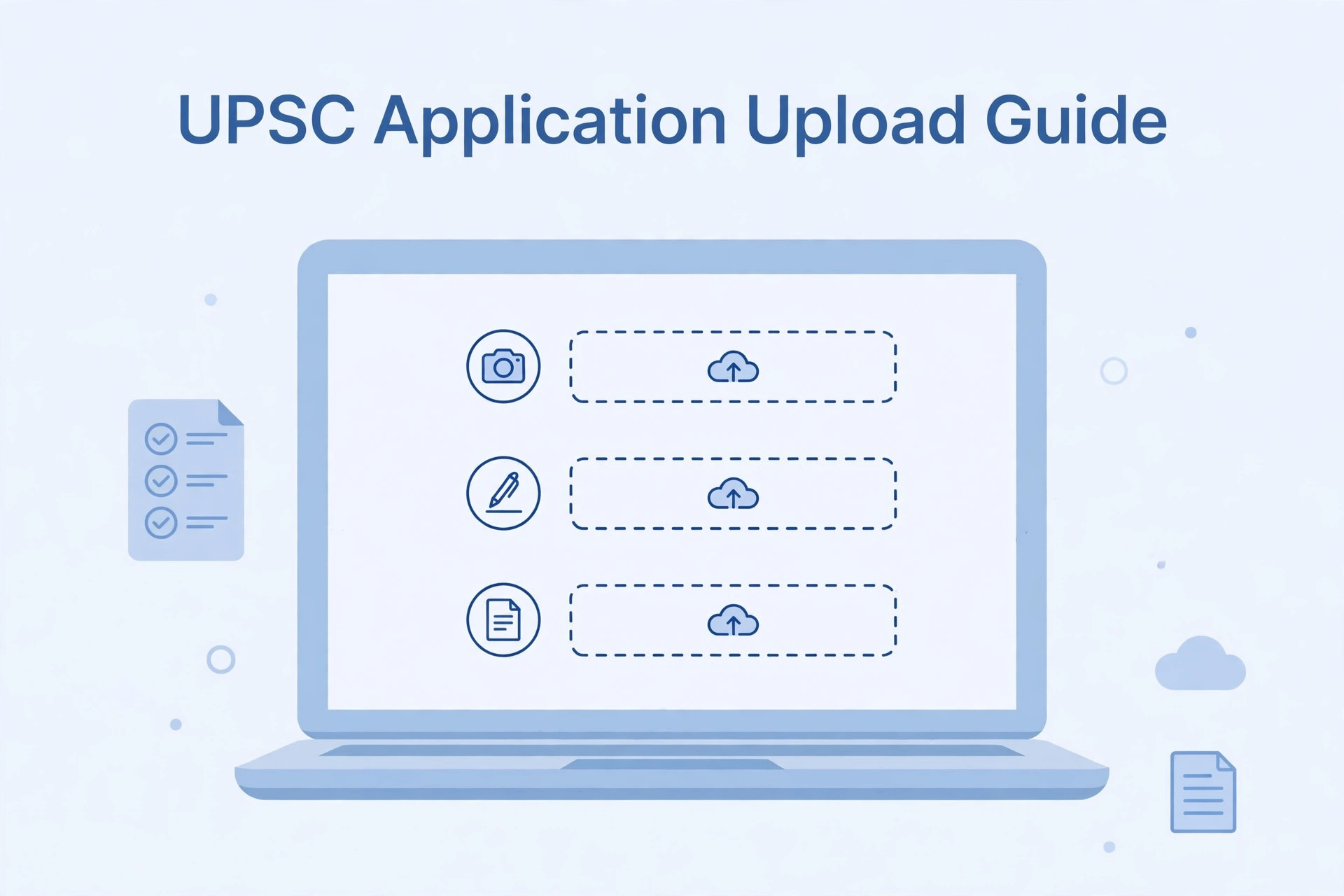
Follow the current portal's photograph instructions. If a live photograph is required, use the camera process provided by the application system. Choose suitable lighting and keep your face clearly visible. Allow the browser or application to access the camera when prompted.
If an uploaded photograph is permitted, check the required format, dimensions, file size, background and recency conditions. Do not reuse an old photograph without checking whether it meets the current instructions.
Prepare the signature
If a scanned signature is required, write your genuine signature using the method specified by the authority. Scan it clearly, crop it carefully and export it in the accepted format. Keep all strokes visible and avoid stretching the image.
Check the exact pixel dimensions and file-size range if provided. Do not use a general signature size copied from another examination. The current UPSC application instructions should decide.
Upload supporting documents
Some UPSC application stages or specific recruitments may require supporting documents. These can include educational records, category certificates or other proofs depending on the candidate's circumstances and the examination rules.
Check which documents are required at the application stage and which may be needed later. Do not upload extra documents in an unrelated field. If the portal asks for a PDF, prepare a readable PDF with all required pages in the correct order.
Check category and certificate details
If you are applying under a category that requires a certificate, read the relevant eligibility and format instructions. Check the issuing authority, certificate date and prescribed format. The required conditions may depend on the examination and applicable rules.
Do not assume that an old certificate or a document issued under a different format will automatically be accepted. If you are unsure, contact the competent issuing office or UPSC through the official channel.
Avoid file upload problems
A file may fail because it is too large, in the wrong format, damaged or outside the permitted dimensions. A document may also be rejected as unclear if the scan is blurred or cropped.
Check each file before upload. Open the image or PDF, inspect the text and verify the file size. If the portal provides a preview, review it carefully before continuing.
Review the final application
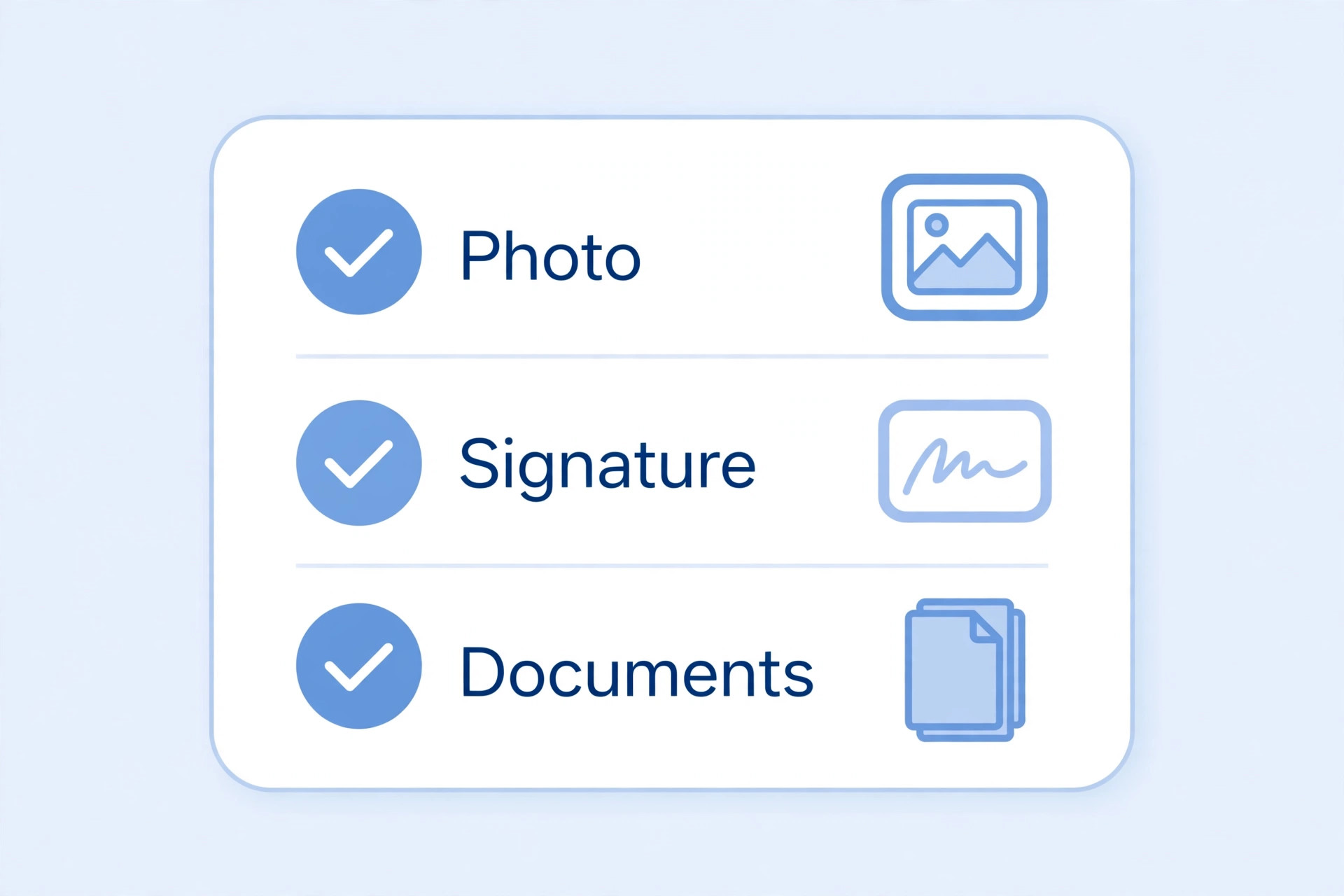
Before final submission, check the examination name, personal details, category, educational information and uploaded files. Confirm that the photograph and signature appear in the correct fields. Read the declaration carefully before accepting it.
If a fee is applicable, complete payment through the method shown by the official portal. Verify the payment status and save the confirmation page or receipt.
What if you need to correct something?
Check the current UPSC notification for correction or modification rules. The available fields and correction period may vary. Do not assume that every detail can be changed after submission.
If the issue is technical, use the official support details published for that application. Keep your registration or application reference ready. Avoid creating duplicate accounts or applications unless the authority explicitly instructs you to do so.
Keep your application records
Save a copy of the submitted form and any payment confirmation. Keep the original documents and the files used for upload. These records can be useful if you need to check your application later.
Store them securely because they contain personal information. Do not share login credentials, identity documents or application references in public forums.
Frequently asked questions
Are UPSC photograph requirements the same for every examination?
No. Check the current notice and portal instructions for the specific examination.
Can I use a scanned photograph if the portal asks for live capture?
No. Follow the live capture process when it is required. Do not substitute another file unless the portal permits it.
Should I upload every certificate during the first application stage?
Upload only the documents requested at that stage. Check the notification for documents that may be required later.
What if my PDF is too large?
Use careful compression while preserving readability, or follow any alternative upload method stated by the portal.
Where should I ask about a technical error?
Use the official UPSC application support channel published for the current examination.
Final guidance
UPSC application requirements should be checked examination by examination. Read the current notice, prepare the photograph and signature according to the live portal, upload only the requested documents and review the final application before submission. This is the most reliable way to avoid outdated or incorrect upload advice.
Additional practical considerations for UPSC application uploads
A useful way to avoid confusion is to treat UPSC application uploads as a separate task instead of mixing it with every other part of the application. First identify what the authority is asking for, then prepare the relevant file or information, and finally compare the result with the official instructions. This order matters because editing a file before checking the rules can create extra work. It may also lead to a version that looks correct but does not satisfy the upload field.
For example, imagine that you have prepared the official UPSC application portal. Before submitting it, pause and review the current examination's application stages and required documents. Check whether the information is complete, whether the image or document opens correctly and whether the file still looks clear after the final export. If the portal shows a preview, compare that preview with the saved file. A preview can reveal an incorrect crop, a wrong upload field or a file that has not been processed as expected.
It is also useful to keep a small record of what you have checked. Write down the name of the recruitment, the date you reviewed the notification and the technical requirements that apply to this upload. If the authority later publishes a correction or revised instruction, check whether it changes anything. This is especially important when you apply for more than one post or when a recruitment process remains open for several weeks. Do not rely on a screenshot saved from an earlier application cycle.
When something goes wrong, avoid changing several things at once. Read the error message, identify the property it refers to and make one correction. For example, if the message concerns the file type, verify the actual format before changing dimensions. If it concerns readability, inspect the original capture before compressing it again. A step-by-step approach makes it easier to understand the cause and prevents unnecessary changes to a correct file.
Before you finish, ask yourself these questions: Does the file belong to the correct applicant? Is it the document or image requested in this field? Are all important details visible? Does it follow the current notice? Have you checked the final saved version rather than an earlier draft? These checks are simple, but they are useful because upload mistakes often happen when applicants are in a hurry.
If the instructions appear inconsistent, do not choose whichever value seems easier. Check for a later official notice, a corrigendum, an application help page or a clarification from the recruiting authority. Keep the response or reference number if you contact support. An unofficial blog or social media post can help you understand a topic, but it should not override an official recruitment instruction.
Finally, keep your original records safely. Save the unedited scan or source file separately from the version prepared for upload. This gives you a clean starting point if a correction is required or another portal asks for a different format. Use clear filenames and avoid sharing personal documents through public links. A careful file-management routine makes the application process more organised and reduces the chance of selecting an outdated version.